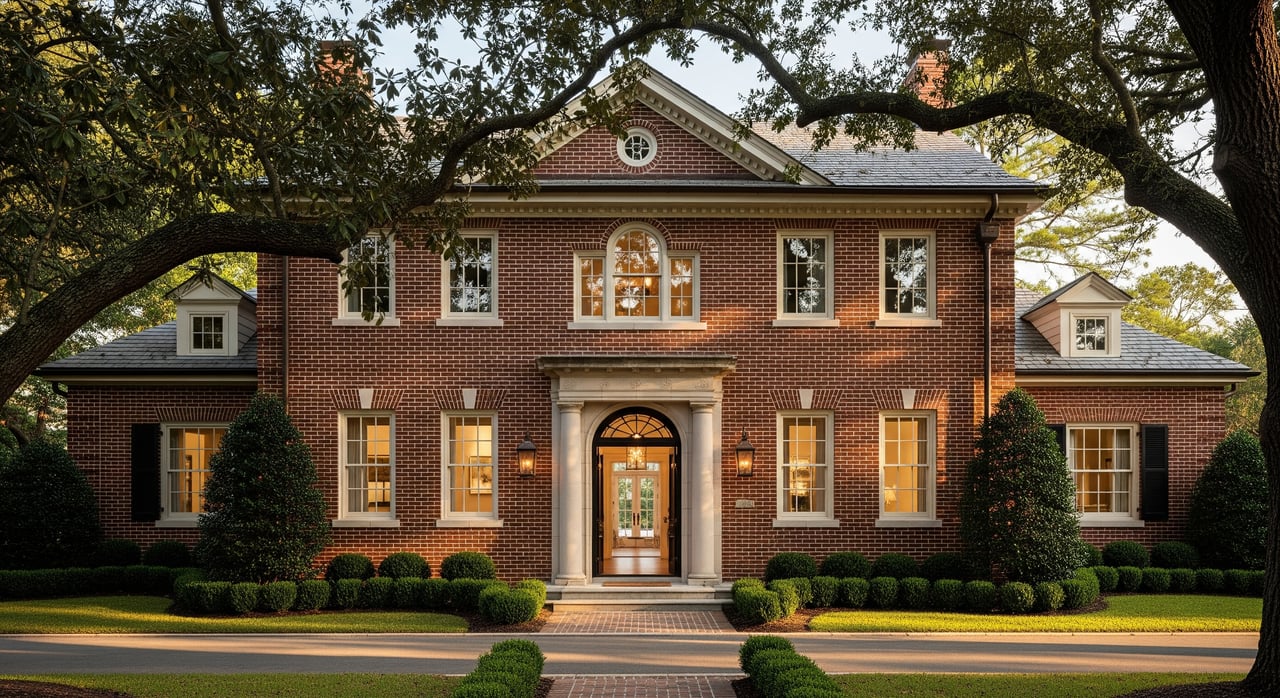
Thinking about renovating in Myers Park and wondering what actually adds value? You are not alone. This historic neighborhood rewards thoughtful upgrades that respect character while delivering modern comfort. In this guide, you will learn which projects resonate most with Myers Park buyers, how to plan your sequence, and what “quality” looks like at the luxury level. Let’s dive in.
Why Myers Park buyers pay premiums
Myers Park is prized for its mature tree canopy, generous lots, and architecturally significant homes. Buyers here want the best of both worlds. They appreciate preserved exterior charm and expect turnkey interiors with high‑end finishes. Many also value proximity to Uptown and local institutions, along with seamless daily living.
The takeaway for you is simple. When you pair historic integrity outside with refined, modern function inside, you attract the widest pool of luxury buyers and protect resale value.
Renovations that add real value
Kitchens that sell
The kitchen is the heart of the home and the top priority for Myers Park buyers. Aim for a refined, open feel that connects to casual dining or a family room while keeping period‑appropriate trim and proportions.
What resonates:
- Custom or semi‑custom cabinetry with framed construction and soft‑close hardware. Inset or partial inset doors elevate the look.
- High‑end, paneled appliances such as Sub‑Zero and Wolf or similar integrated packages. A dishwasher that blends with cabinetry is a plus.
- Durable stone or engineered quartz countertops with well‑finished edges, a large island with seating, and a walk‑in pantry or built‑ins.
- Professional lighting: under‑cabinet task lighting, layered ceiling lighting, and statement fixtures where appropriate.
- Wide plank hardwood that matches the main floor for a cohesive flow.
Local nuance: In historic homes, maintain visible architectural details. Conceal modern appliances with panels when possible to keep a refined, period‑compatible aesthetic.
Primary suite retreat
Luxury buyers expect a primary suite that feels private and indulgent. You do not always need an addition to deliver that experience.
What resonates:
- Oversized walk‑in closets with built‑ins for organization and display.
- Dual vanities, a generous walk‑in shower with quality tile and frameless glass, and a freestanding tub where space allows.
- Quiet separation from secondary bedrooms and room for a sitting area or office nook.
If a footprint expansion would require a visible exterior addition, favor interior reconfiguration first. When additions are needed, match proportions and details so the change looks intentional and complementary.
Outdoor living and landscaping
Outdoor space is a hallmark of Myers Park. Thoughtful outdoor rooms extend usable living space throughout much of the year and often deliver strong perceived value.
What resonates:
- Well‑proportioned porches and screened porches with period‑appropriate detailing.
- Stone patios for dining and entertaining, integrated landscape lighting, and irrigation.
- Professional landscaping that highlights mature trees and preserves the natural canopy.
- Scaled amenities such as an outdoor kitchen, fire pit, or a pool that fits the lot and the home’s architecture.
Local note: Tree protection and stormwater rules may apply. Consult permitting early and engage an arborist when working near specimen trees.
Systems, envelope, and discreet efficiency
High‑end buyers expect comfort, reliability, and low noise from mechanicals. The best efficiency upgrades are often invisible but make a clear difference in daily life.
High‑impact improvements:
- HVAC: High‑efficiency systems, variable‑speed or heat pump technology, well‑designed ductwork, zoning for comfort, and smart thermostats.
- Insulation and air sealing: Attic insulation and accessible wall cavity insulation improve comfort and reduce operating costs.
- Electrical: Updated service that supports modern loads, EV‑ready capability, and well‑placed outlets with integrated charging.
- Windows: If replacement is necessary, choose historically appropriate profiles or consider interior storm windows to preserve exterior appearance.
Tip for resale: Document these upgrades clearly. Present them as comfort, durability, and lower operating costs rather than purely “green” features.
Curb appeal and exterior integrity
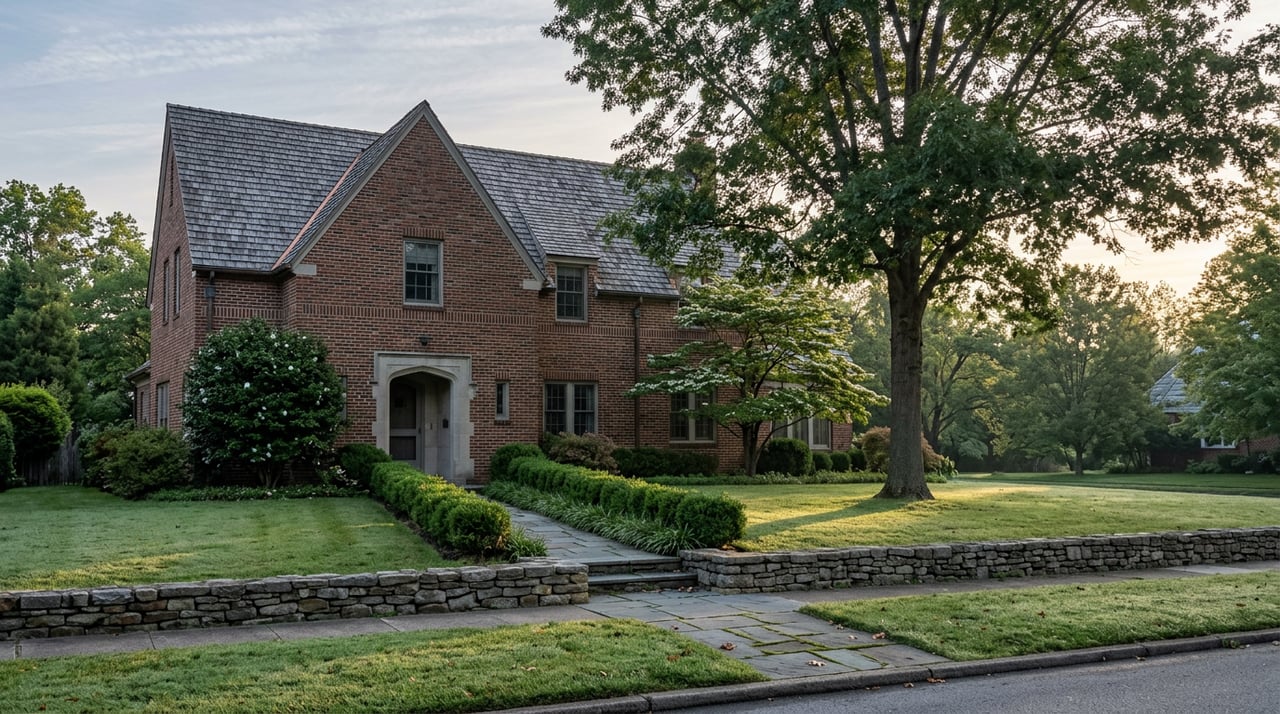
First impressions matter in a historic neighborhood. Buyers notice both the overall composition and the quality of details.
High‑value items:
- A sound, durable roof in an architecturally appropriate color and texture.
- Restored porches, columns, and trim that match the home’s era.
- Refined exterior lighting, a well‑maintained driveway and walkways, and professional plantings.
- Tasteful parking or garage solutions that do not dominate the front facade.
Keep materials, paint colors, and profiles consistent with the period. Incongruous modern finishes on the exterior can reduce buyer interest.
Secondary spaces buyers love
Well‑designed support spaces make daily life easier and photograph well.
Consider adding or upgrading:
- A functional mudroom with durable finishes and smart storage.
- Main‑floor laundry or an upgraded upstairs laundry near bedrooms.
- Secondary baths with finishes consistent with the primary suite and a conveniently located half bath.
Plan your sequence for maximum impact
Getting the order right prevents rework and keeps your budget focused on what buyers value most.
Pre‑sale sequence that works
Fix deferred maintenance and systems. Address roof, structural items, HVAC, electrical, and plumbing first. Buyers expect homes that work.
Boost curb appeal and landscaping. These updates are cost‑effective and make your photos stand out.
Focus on the kitchen and primary suite. These two areas carry the highest perceived value in this market.
Update secondary baths, laundry, mudroom, and apply cohesive interior paint and floor refinishing.
Finish with lighting, hardware, and landscape touches. Then stage for a polished, turnkey presentation.
Timelines and disruption planning
- Small projects: plan for about 4 to 8 weeks.
- Major kitchen or primary suite remodels: 8 to 20+ weeks depending on scope.
- Additions or permit‑heavy work: several months.
Selling soon? Concentrate on visible, high‑impact items that can be delivered quickly, such as paint, floors, lighting, and a targeted kitchen refresh. Buying and renovating post‑closing? Sequence invasive work like kitchen demolition and roof replacement when you can adjust living arrangements.
Permitting and historic review
Myers Park’s historic status can trigger review for exterior changes, window replacements, and additions. Consult City of Charlotte building and permitting for structural, electrical, and plumbing work. Engage the appropriate historic resources staff or commission early so design revisions do not disrupt your timeline.
When the project touches period details, hire licensed contractors with proven experience in historic homes. Always build in a 10 to 20 percent contingency for hidden conditions like old wiring, plaster repairs, or wood rot.
Quality benchmarks that signal luxury
Buyers in Myers Park respond to craftsmanship and consistency. Use this checklist to keep finish levels aligned with expectations.
- Flooring and millwork: Solid or engineered hardwood in principal rooms, with a professionally matched stain across connected spaces. Baseboards, crown, and door casings should be period‑appropriate in both profile and scale.
- Lighting and electrical: Layered lighting plans with recessed task lighting and dimmers. Statement fixtures where they fit. Ample outlets and modern switches.
- Kitchen and surfaces: Semi‑custom to custom cabinetry with quality hardware and built‑in organizers. Professional or integrated premium appliances with proper venting. Stone or high‑quality quartz counters and a functional island with seating.
- Bathrooms and primary suite: Porcelain or natural stone tile with quality installation. Frameless glass showers, freestanding tubs in larger suites, and heated floors where appropriate. Use premium plumbing fixtures with consistent metal finishes.
- Windows, doors, and exterior: Energy‑efficient windows that maintain historic sightlines and muntin patterns when replacement is needed. Solid doors and hardware that read true to the period.
- Outdoor finishes: Natural stone or quality pavers for patios, durable decking that blends with the landscape, and intelligent lighting and irrigation.
Cost, return, and buyer perception
Not every dollar spent returns a dollar on resale. In Myers Park, the strongest perceived value typically comes from a complete, modern kitchen, a high‑quality primary suite, and outdoor living that fits the lot. Systems upgrades and a tight building envelope protect value and reassure buyers.
Avoid extremes. Oversized additions that overwhelm the site or highly personal finishes can shrink your buyer pool. If you plan to list soon, choose right‑sized projects that deliver the most visual and functional impact per dollar. If you plan to stay, front‑load systems and comfort upgrades, then layer in luxury features over time.
Finally, study local comparables. Track which nearby sales featured new kitchens, screened porches, updated mechanicals, or finished secondary spaces and how those features influenced price and days on market. Local premiums vary, and this neighborhood‑specific view is critical.
A practical pre‑sale checklist
Use this quick checklist to keep your project focused.
- Confirm scope with a licensed contractor familiar with historic homes; set a 10 to 20 percent contingency.
- Pull permits and consult historic resources staff for any exterior or structural changes.
- Address roof, HVAC, plumbing, electrical, and insulation first. Document improvements for buyers.
- Refresh curb appeal: landscaping, lighting, walkways, and facade maintenance.
- Upgrade the kitchen to a high‑end standard appropriate to the home and neighborhood.
- Elevate the primary suite with a spa bath and organized closet.
- Improve secondary baths, laundry, and a mudroom for daily function.
- Finish with cohesive paint, floor refinishing, and layered lighting.
- Stage and photograph to highlight both character and modern comfort.
If you want an expert partner to help you scope, sequence, and present your home at a luxury standard, we are here to help. Schedule a consultation with Ready 4 Sale, LLC to align your renovation plan with current Myers Park buyer expectations and your timing.
FAQs
What renovation projects add the most value in Myers Park?
- Kitchens, primary suites, and well‑designed outdoor living spaces typically carry the highest perceived value when executed to a luxury standard consistent with the home.
How do I balance historic character with modern updates?
- Preserve visible exterior elements and key architectural details while modernizing kitchens, baths, and systems inside; conceal technology and choose finishes that complement the period.
Do I need a full kitchen gut to impress buyers?
- Not always; if the layout works, a targeted high‑end refresh of cabinetry, counters, appliances, lighting, and floors can deliver strong impact without a full teardown.
Which efficiency upgrades matter most to luxury buyers?
- Quiet, high‑efficiency HVAC, insulation and air sealing, updated electrical with EV‑ready capacity, and historically compatible window solutions provide comfort and lower operating costs.
What is the best order to tackle pre‑sale work?
- Fix systems and deferred maintenance first, then boost curb appeal, then invest in the kitchen and primary suite, followed by secondary spaces and final cosmetic and staging touches.
Do I need permits for my Myers Park renovation?
- Yes for structural, electrical, plumbing, and most exterior changes; consult City of Charlotte permitting and the appropriate historic resources staff early to avoid delays.