Thinking about reserving a brand‑new condo in SouthPark before it is built? You are not alone. Many buyers want the latest finishes, curated amenities, and a central Charlotte address without the surprises of a major renovation. In this guide, you will learn how pre‑construction purchases work in SouthPark, how deposits and timelines typically unfold, what to watch for in your contract, and how to protect your investment from day one. Let’s dive in.
Why SouthPark pre-construction
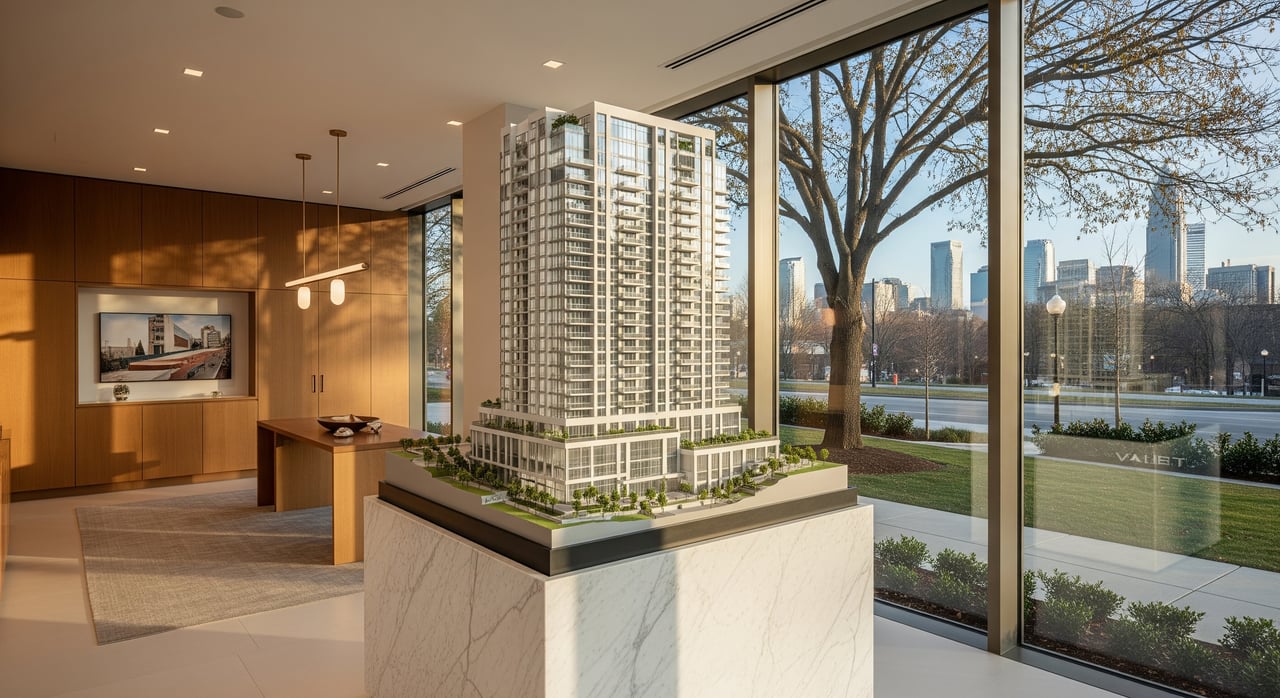
SouthPark is one of Charlotte’s premier luxury hubs with high‑end retail, strong office employment, and steady demand for refined living. Pre‑construction buyers here often seek boutique or mixed‑use buildings with concierge features, secure parking, and elevated design. You can choose finishes, lock in early pricing, and select a preferred floor or view. Just balance those benefits against timeline risk, deposits, and the developer’s track record.
How the process works
Reservation to contract
Many projects start with a short reservation window. You place a refundable or non‑binding reservation deposit to hold a specific residence while documents are finalized. Next comes the purchase agreement with an initial contract deposit and a schedule for future deposits. The contract sets your delivery window, selections deadlines, and remedies if the project is delayed.
Construction timeline
Luxury condo construction typically moves from site work to foundation, vertical structure, interior finishes, inspections, and certificate of occupancy. Larger or more complex towers usually take longer. In many cases, you should plan for roughly 12 to 36 months from groundbreaking to closing, depending on size, permitting, and site conditions.
Transition and turnover
The developer usually controls the condominium association until turnover, which is often tied to time or a percentage of units sold. The initial budget and reserves are established during this period. At turnover, owners gain control and long‑term policy decisions begin to take shape.
Key contract items
Completion and delays
Confirm the stated completion date or delivery window and what happens if construction takes longer. Look for clearly defined extensions, any liquidated damages, and your termination rights if deadlines are missed. Make sure the remedies are written and easy to follow.
Deposits and escrow
Pre‑construction deposits are commonly staged and total a meaningful percentage of the price over time. A reservation deposit might range from about 5,000 to 25,000 dollars, while contract deposits often total 5 to 20 percent, depending on the developer and market. Ask exactly where the funds are held, how they are protected, and under what conditions they can be released or refunded.
Assignment rights
Some developers allow you to assign the contract before closing, while others prohibit it. If assignment is important to you, get the rules and any fees in writing. Confirm how assignment might affect your timeline and tax planning.
Specs and upgrades
Your contract should list standard inclusions and provide a selections schedule for upgrades. Clarify what finishes are included, which items carry allowances, and how pricing is set. If you miss a deadline, you may default to standard choices or incur a late fee, so track dates carefully.
Warranties
Expect a written warranty package that outlines coverage periods and exclusions. Industry norms often include one year for workmanship items, two years for certain systems, and longer structural coverage that can extend to 10 years, but actual terms vary by contract. Confirm how to submit claims and expected response times.
HOA rules and budget
Review the draft declaration, bylaws, rules, and the initial budget. Pay attention to reserve funding, pet and leasing rules, storage, and parking allocations. Understand how and when the developer will transition control to the owners.
Financing and deposits
Loan mechanics
Your lender will evaluate the condominium project, not just you as the borrower. Some mortgages require project approvals or condominium questionnaires closer to closing. Discuss appraisal timing early and plan for how price changes or incentives could affect underwriting.
Deposit protections
Ask for clear refund triggers, such as inability to obtain financing by a set date or failure to receive a certificate of occupancy by a deadline. Whenever possible, seek deposits held in a neutral escrow or trust account with written disbursement conditions. Make sure your contract limits unilateral price increases or after‑the‑fact assessments.
Selections and change orders
Selection windows
Selections follow a strict calendar. Structural or layout choices happen early, while interior finishes come later. Missing a date can reduce your options or increase costs, so put the schedule on your calendar and confirm each decision in writing.
Allowances vs inclusions
Some items are included as standards, while others carry allowances that you can exceed at your cost. Ask for detailed written specs and pricing for upgrades before you commit. Keep in mind that overages, taxes, and additional permits may impact your budget.
Change order pricing
Change orders document scope, cost, and any schedule impact. Expect an administrative fee for processing. Larger structural changes may be restricted to early phases, and product lead times can affect feasibility.
Budget tips
- Maintain a contingency fund, often several percent of the purchase price, for upgrades and unforeseen items.
- Use the selections center early and confirm warranty implications for premium systems.
- For significant customizations, request written estimates and lead times.
Inspections and warranties
Inspection stages
Even in new construction, inspections add protection. Consider a pre‑drywall inspection where possible, then a pre‑closing inspection and a final punch list. Keep photo documentation and follow the contract process for defects.
Warranty claims
Most builders offer a one‑year walkthrough for punch list items and a defined process for warranty claims. Review eligibility, exclusions, and transfer rules if you plan to sell later. Third‑party structural warranty programs can supplement developer warranties on some projects.
Pricing and resale factors
Early pricing incentives
Developers often launch with presale incentives to reach lender thresholds, then adjust pricing as sales progress. Early buyers may benefit from lower entry pricing, but they also assume earlier delivery risk. Always compare presale pricing with finished comparables and account for any credits or incentives when reviewing value.
What drives resale
In SouthPark, resale value is influenced by building reputation, floor plan efficiency, views and orientation, parking and storage, outdoor space, and fit of the amenity package with monthly HOA fees. Proximity to retail, green space, and employment centers also matters. Strong reserve funding and clear leasing rules can support future buyer confidence and financing.
Investor mix impact
A building marketed heavily to investors can have different occupancy and rental dynamics than one focused on owners. Early contract assignments, if allowed, may affect perceived demand and resale comps. Aim for transparency when comparing prices that include developer incentives.
HOA and governance
Developer control
Developers typically manage the association until turnover, based on time or sales milestones. Understand voting rights, board composition, and key decisions during this period. Clarify how rules can change after turnover.
Budgets and reserves
Early budgets may underestimate long‑term reserves. Ask for any reserve studies or independent reviews if available. Special assessments can occur if reserves are not aligned with long‑term needs.
Leasing rules
Leasing restrictions, such as minimum lease terms or owner‑occupancy thresholds, can affect investors and financing eligibility. Review these policies before you sign to ensure they match your plans.
De-risking checklist
- Engage a North Carolina real estate attorney experienced with condominium contracts before you sign.
- Verify the developer’s track record, completed projects, references, and any relevant litigation history.
- Review the draft declaration, bylaws, rules, and the initial HOA budget, and request reserve details when available.
- Confirm where deposits are held, refund triggers, and disbursement conditions in writing.
- Require a clear delivery window with remedies for delays.
- Understand assignment rules and any resale restrictions.
- Coordinate early with a lender on project eligibility, appraisal timing, and documentation.
- Budget for upgrades and keep a contingency fund for change orders and soft costs.
- Schedule independent inspections at allowed stages and document any defects.
- Obtain a written warranty statement, including coverage and transferability.
- Request market comps and projected HOA fees to estimate long‑term carrying costs.
Work with a local advisor
Pre‑construction success in SouthPark starts with clarity and ends with execution. When you understand the moving pieces, you can secure the right residence, manage timelines, and protect value through closing and beyond. If you want a calm, expert process anchored by local market intelligence and construction fluency, schedule a consultation with Ready 4 Sale, LLC.
FAQs
How long until move-in for a SouthPark pre-construction condo?
- Many luxury projects close within roughly 12 to 36 months from groundbreaking, depending on building size, permitting, and site conditions.
How much deposit is typical and is it refundable?
- Reservation deposits often range from about 5,000 to 25,000 dollars, and contract deposits commonly total 5 to 20 percent; refund rights depend on written triggers in your agreement.
Can I finance a pre-construction condo in SouthPark?
- Yes, but lenders evaluate the project’s eligibility and may require approvals or questionnaires near closing, so coordinate early on appraisal timing and documentation.
What if the developer delays or the project stalls?
- Your contract should define extensions, remedies, and termination rights, and deposit protections can include refund triggers tied to delivery or financing benchmarks.
Are upgrades and change orders worth it for resale?
- Prioritize changes that enhance floor plan function, storage, and finishes aligned with the building’s market, and weigh the cost against likely buyer appeal and HOA fees.
How are HOA fees set and can they increase?
- Initial budgets are developer prepared and can adjust after turnover based on reserves and long‑term needs, so review reserve planning and special assessment risk before you sign.