Torn between a sky-high condo with concierge service and a classic SouthPark home with a private yard? You are not alone. Many SouthPark buyers weigh lifestyle, costs, and resale differently once they see how condos and single-family homes perform side by side. In this guide, you will get a clear, local comparison, a simple monthly cost framework, key legal and financing differences, and a practical checklist to help you decide with confidence. Let’s dive in.
SouthPark luxury at a glance
SouthPark sits at the center of Charlotte’s high-end living, anchored by SouthPark Mall and Phillips Place, with dining, retail, and employment close to Uptown. For quick neighborhood context, the SouthPark overview highlights its established, upscale profile.
Recent third-party trackers show a premium market with some variation by source and methodology. Redfin’s SouthPark page reported a median sale price around $660,000 and median days on market in the high 50s in early 2026. Other vendors that use different measures have shown higher aggregate values at times. Always verify with current MLS comps before you write an offer.
What changes when you choose a condo vs a home
Lifestyle and footprint
Luxury condos near the mall and Phillips Place often deliver walkable access to dining and retail, secure parking, concierge services, and amenities like gyms, pools, or rooftops. That lock-and-leave convenience reduces your hands-on maintenance and suits frequent travel. For example, a Phillips Place penthouse closed around $1,050,000 and showed HOA dues near $608 per month, which illustrates how amenities and services appear in your monthly cost. You can review that Phillips Place penthouse example for a sense of building-level features and fees.
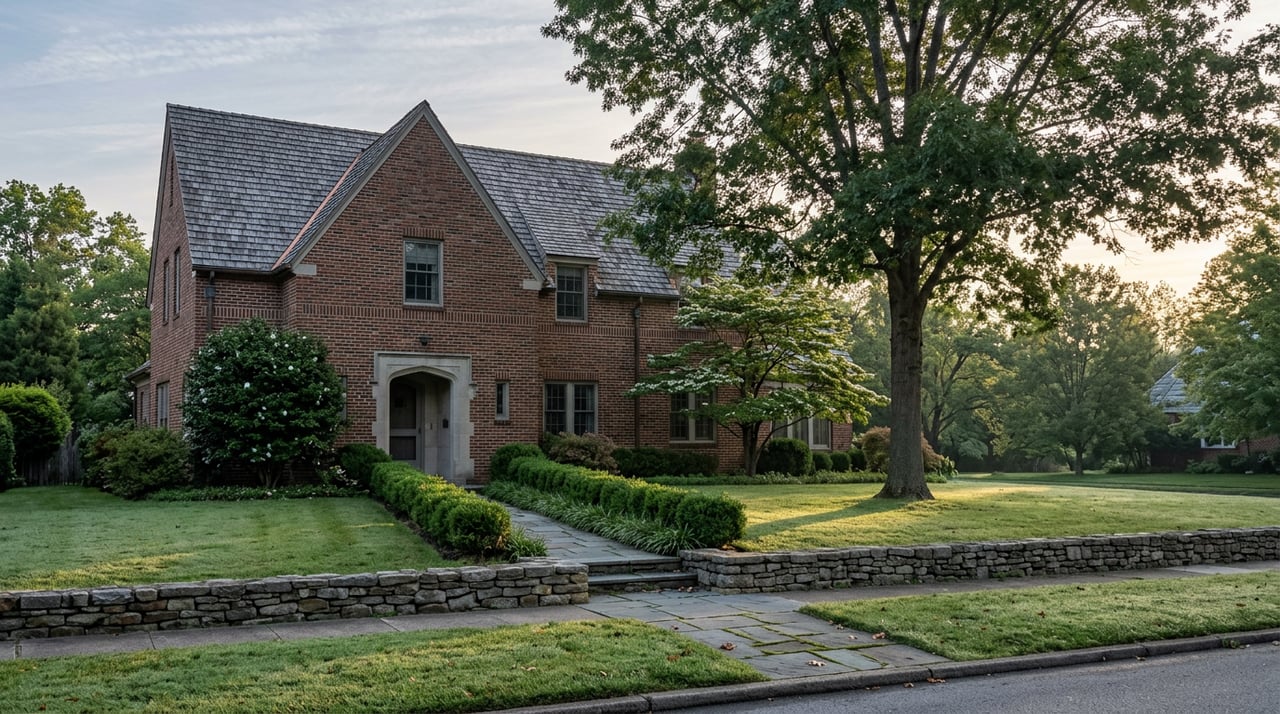
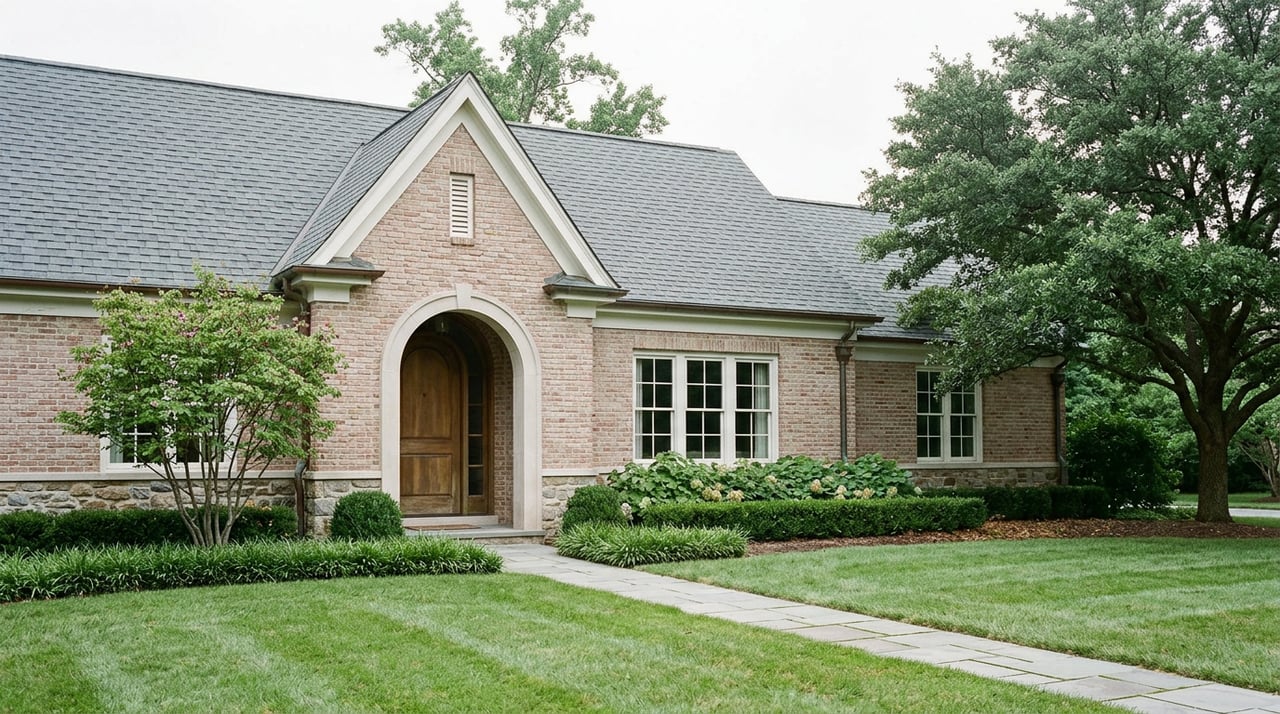
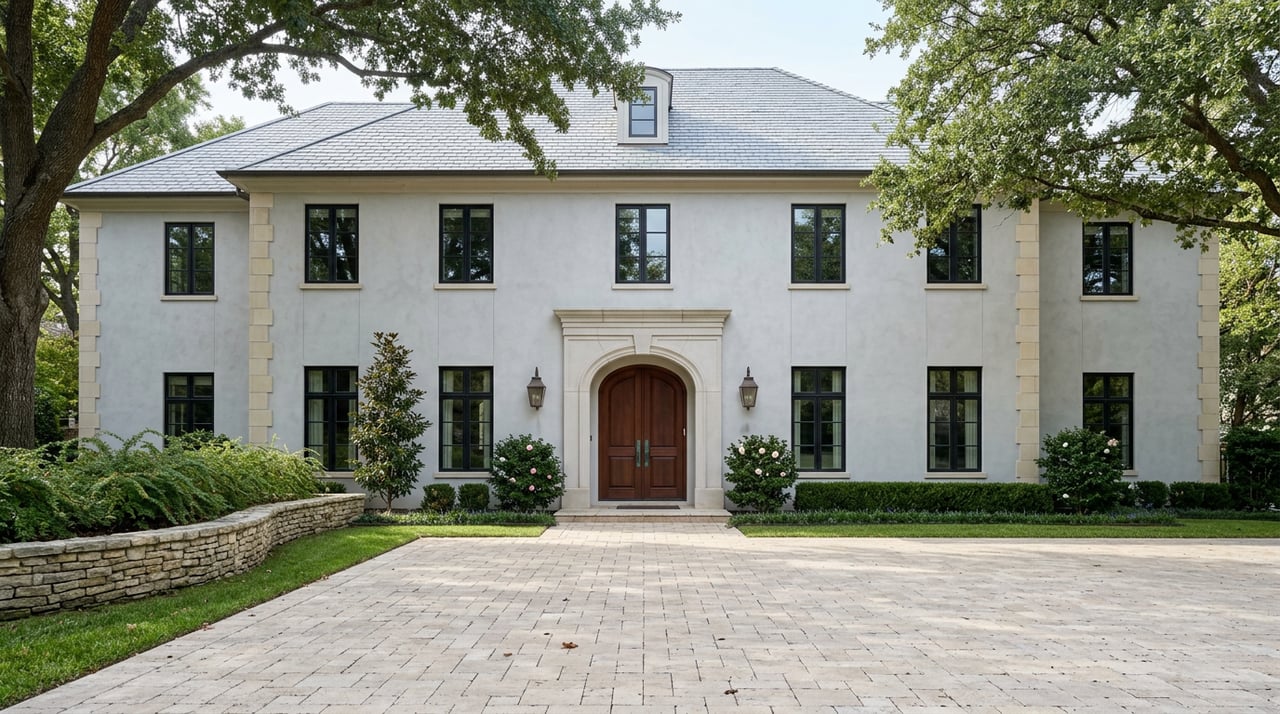
Single-family homes in SouthPark offer private outdoor space, driveways or garages, and more flexibility for remodeling or expansion. You get greater control over your surroundings, but you also take on exterior maintenance directly, from roofing to landscaping to pool care if applicable.
Privacy, noise, and control
- Condos share walls, floors, and common areas. Association rules can limit certain changes, guest policies, or rentals, which protects building standards but reduces absolute control.
- Single-family homes usually provide more privacy and allow you to shape the exterior and landscape. The trade-off is full responsibility for exterior upkeep and replacements.
HOA obligations and costs
Condominiums almost always include required HOA dues that fund building insurance, exterior repairs, elevators, common-area utilities, services, and reserves. Single-family homes may be part of a planned community with smaller dues for shared areas and amenities. National reporting shows HOA fees have risen over time; Realtor.com’s 2025 HOA analysis cites a national median fee near $135 per month, while condo fees are typically higher than single-family HOA dues. In SouthPark’s luxury condo buildings, expect above-average dues that cover premium services. Always ask for the current budget and reserve study.
Maintenance budgeting
A simple way to plan single-family upkeep is the 1 percent to 3 percent rule of thumb per year, or roughly $1 per square foot annually. Actual costs vary with age, size, roof and pool status, and local contractor pricing. Condos shift much of that exterior maintenance into HOA dues, though special assessments can occur. For an accessible primer, see this maintenance cost guidance.
Legal, financing, and taxes in Mecklenburg
NC condo vs planned community rules
In North Carolina, condominiums and planned communities operate under different statutes that affect who maintains what, how rules are enforced, and how associations manage reserves and projects. The condominium framework sits in Chapter 47C of state law; you can review the NC Condominium Act for definitions and owner versus association responsibilities. Most single-family neighborhoods with an HOA fall under the Planned Community Act in Chapter 47F. Your final obligations depend on the recorded declaration, bylaws, and rules for the specific property.
Condo financing and warrantability
Condo buyers face a project-level eligibility review by lenders and the GSEs. Fannie Mae’s standards and tools like Condo Project Manager evaluate items such as reserves, insurance, owner-occupancy ratios, litigation, and commercial use. If a project is not eligible under these rules, conventional financing can be limited or more expensive. FHA approval offers a different pathway for some buyers. Ask your lender to check project status early because eligibility can affect your rates, down payment, and your eventual resale buyer pool.
Property taxes and local fees
Mecklenburg County’s FY 2025–26 county tax rate is 49.27 cents per $100 of assessed value. Your total bill also includes City of Charlotte municipal taxes and, for SouthPark, a municipal service district component. These apply to both condos and houses and should be part of your monthly comparison. You can confirm current rates on the Mecklenburg County tax rates page.
Appreciation and resale differences in SouthPark
What tends to drive values
Scarcity and land value often support single-family appreciation over long holds, especially in premium in-town locations. Condos can appreciate well in top-tier buildings and locations, but building-level risks like low reserves, deferred maintenance, or high investor concentrations can reduce buyer demand. Lenders reinforce this reality by gating liquidity through condo project eligibility standards, so financing strength and building health are linked in practice.
Buyer pool and days on market
Luxury condos in SouthPark appeal to executives, relocation buyers, and downsizers who value services and location. High HOA dues or narrow financing options can reduce the eligible buyer pool and extend marketing time. Single-family homes can reach a broader audience but may take longer to sell at the very top of the market. For current tempo and pricing, keep an eye on the Redfin SouthPark market page and ask for MLS-sourced comps before offering.
Local inventory rhythm
SouthPark offers both multi-million-dollar estates and a smaller set of luxury condominium and penthouse units close to Phillips Place. Because the mix is diverse, pricing, turnover, and buyer profiles vary by property type and micro-location. Your strategy should be tailored to the specific building or street you are considering.
A clear decision framework
Start with five questions
- Do you prioritize location and services or space and control?
- How often will you travel or be away from Charlotte?
- What is your tolerance for variable monthly costs like HOA increases or potential special assessments?
- How important is financing flexibility, such as conventional, FHA, or VA?
- What resale horizon are you planning for, and who is your likely buyer in 3 to 10 years?
What to request before you offer
Condos and HOAs
- Most recent HOA budget and reserve study
- Balance sheet and last 12 months of meeting minutes
- Master insurance certificate and deductibles
- Rental and short-term rental rules; any litigation disclosures
- List of delinquent owners and any planned capital projects or assessments
- Lender check of Fannie Mae CPM status or FHA approval
Single-family homes (and planned communities)
- If there is an HOA: current budget and covenants, including architectural controls
- Independent home inspection and termite or moisture reports
- Contractor quotes for known deferred items, plus roof, mechanicals, and drainage review
Run the monthly comparison
Create a simple side-by-side monthly view so you can compare cash flow and risk. Plug in your actual quotes and property numbers.
- Mortgage principal and interest based on your pre-approval
- Property taxes: county plus city and MSD, divided by 12
- Insurance: HO-6 interior policy for condos; full homeowner’s policy for houses
- HOA dues: include full monthly amount for condos; include neighborhood dues for houses if applicable
- Utilities and services: note what the HOA covers for condos
- Maintenance reserve: houses often budget 1 percent to 3 percent of value annually; condos should consider reserves and the risk of special assessments
Illustrative example only. Use current lender quotes and actual tax figures.
- Condo A. List price $1,050,000; HOA $608 per month; property tax estimate = X; mortgage principal and interest at your rate = Y; total monthly = P.
- House B. Same price $1,050,000; HOA $0 or a smaller number if applicable; maintenance reserve about 1 percent of value per year; mortgage principal and interest = Y; total monthly = Q.
Compare P versus Q and weigh non-monetary factors such as privacy, services, travel, and future buyer pool.
Red flags to watch
Condos
- Underfunded reserves, high delinquency, or pending litigation that could impact safety or insurance
- Heavy commercial or resort characteristics that complicate financing
- A project flagged as ineligible by GSE standards, which can shrink your buyer pool and raise your cost of capital
Houses
- Deferred structural items like roof, foundation, or mechanicals
- High-cost landscape or pool upkeep without realistic budgeting
- Zoning or roadway nuisances that affect enjoyment or resale
Which one is right for you
Choose a SouthPark condo if you value walkability, security, and low-hassle living with predictable exterior maintenance. Confirm the building’s budget, reserves, insurance, and project eligibility early, and make sure HOA services match your lifestyle.
Choose a SouthPark single-family home if you want private outdoor space, more control over improvements, and a broader financing and resale audience. Budget maintenance carefully and use inspections plus contractor input to validate long-term costs.
If you are still undecided, a side-by-side monthly analysis with real tax, insurance, and HOA numbers tends to clarify the right fit quickly. Pair that with a close read of HOA documents for condos or a thorough inspection package for houses, and your choice becomes straightforward.
Ready to compare specific addresses in SouthPark and build a custom monthly model for each? Schedule a consultation with Ready 4 Sale, LLC to review HOA documents, renovation scope, and financing implications so you can move forward with confidence.
FAQs
What monthly costs should I expect for a SouthPark luxury condo?
- Plan for mortgage principal and interest, property taxes, an HO-6 policy, utilities, and HOA dues that can be significant in luxury buildings. An example near Phillips Place showed about $608 per month in dues on a roughly $1.05 million unit, which reflects amenities and services.
How do Mecklenburg County taxes affect condos and houses in SouthPark?
- The county rate is 49.27 cents per $100 of assessed value, and your bill also includes City of Charlotte and MSD components. Apply the combined rate to the assessed value and divide by 12 to estimate monthly cost, then add that to your mortgage, insurance, HOA, and maintenance.
What makes a condo project “non-warrantable,” and why does it matter?
- Lenders and the GSEs review condo projects for reserves, insurance, occupancy mix, litigation, and commercial use. If a building fails those standards, conventional financing can be limited or more expensive, which may reduce your resale buyer pool and affect pricing.
Are HOA dues tax-deductible for my primary residence in North Carolina?
- Generally no, HOA dues are not deductible for a personal residence, although some exceptions may apply for rental or business use within the home. For an overview, see reporting on HOA fee deductibility and speak with your tax advisor.
What should I request from a condo HOA before writing an offer in SouthPark?
- Ask for the budget, reserve study, financials, meeting minutes, master insurance certificate, rental rules, delinquency list, planned projects, and any litigation disclosures. Have your lender check the building’s status in Fannie Mae’s Condo Project Manager early in the process.
How should I budget maintenance for a SouthPark house vs a condo?
- For houses, a common starting point is 1 percent to 3 percent of the home’s value per year, adjusted for age and features like pools. For condos, much of the exterior is handled by the HOA, but you should still budget for interior items and consider the risk of special assessments alongside the building’s reserves.