Thinking about opening up a mid‑century floor plan or creating a true primary suite in Cotswold? The right renovation can elevate daily living and your eventual resale, but big scopes also carry risk if costs outpace neighborhood values. In the next few minutes, you’ll get clear Charlotte cost ranges, realistic recoup expectations, and the permit steps that shape your timeline. You’ll also see a simple framework to decide what to do now and what to skip. Let’s dive in.
Cotswold market snapshot and value ceiling
Cotswold sits about 10 to 15 minutes from Uptown with an active retail core and a mix of mid‑century homes and newer rebuilds. The average local home value is about $678,478 with roughly 2.2% year‑over‑year growth based on recent tracking. Redevelopment nearby, including a 234‑unit apartment project, signals steady demand for updated single‑family homes, which can support better pricing for well‑executed renovations. You can review one example of that redevelopment in this Axios update on Cotswold infill activity.
Your value ceiling starts with sold comps. Look for similar square footage, lot size, and recent finish level on your street and adjacent blocks. If your planned scope would push your home above the top tier of those comps, revisit the design, materials, or timing.
Charlotte renovation costs to expect
Costs vary by finish level, structural changes, and trade complexity. Use these ranges for early planning, then confirm with three itemized bids.
Kitchen budgets
- Minor refresh: cosmetic work like refinished cabinets, new counters, appliances, lighting.
- Major remodel: new layout, custom cabinetry, high‑end appliances, possible structural work.
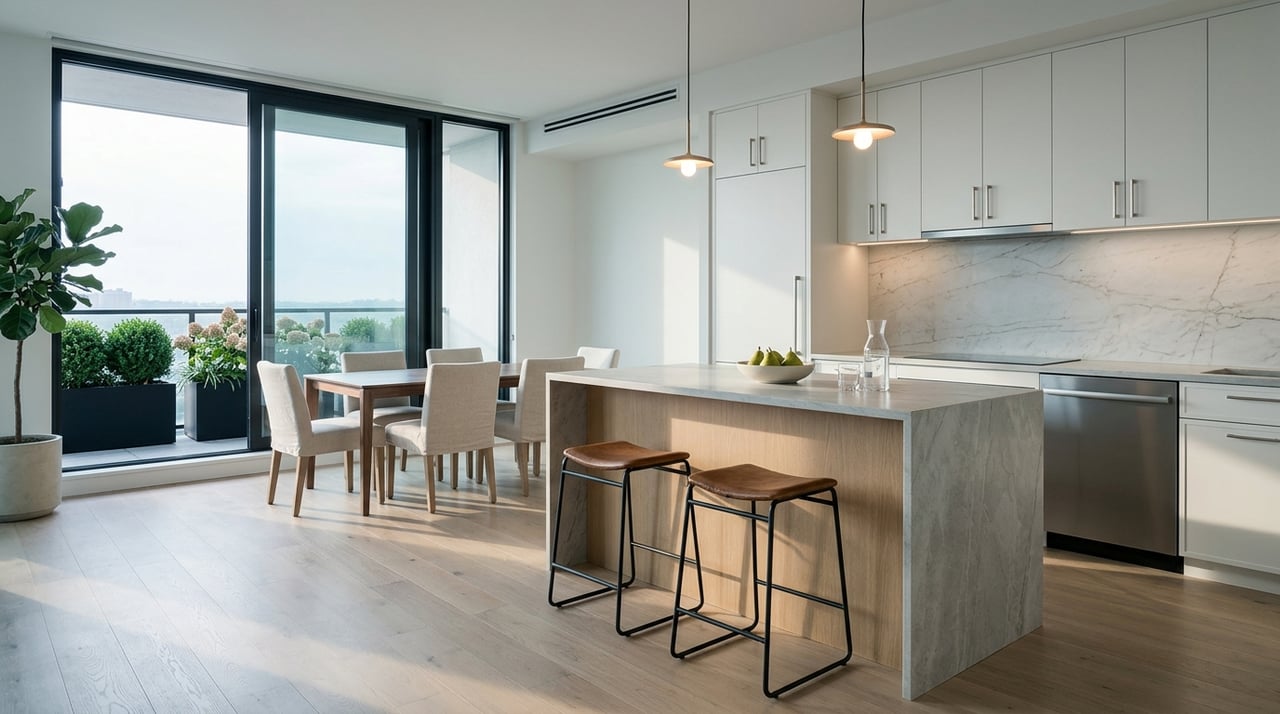
National Cost vs. Value benchmarks list a midrange minor kitchen at about $28,458 and a midrange major kitchen at about $82,793. Use those as broad markers, then layer in local quotes. For Charlotte, a realistic planning band is roughly $25,000 to $90,000+ depending on scope, with major kitchens often at the high end. See local guidance in HomeGuide’s kitchen remodel cost overview and compare against Cost vs. Value’s job profiles.
Bathroom budgets
A full bathroom remodel in Charlotte typically ranges from about $7,000 to $25,000 for midrange scopes, with higher budgets for layout changes or upscale finishes. For a quick local reference, review Angi’s Charlotte bathroom remodel cost guide.
Whole‑house gut ranges
Full‑house renovations that go to the studs and update systems often land around $60 to $200+ per square foot in public cost guides. Many midrange whole‑house projects in Charlotte sit closer to $60 to $150 per square foot, depending on structure, systems, and finishes. Older mid‑century homes can hide asbestos, obsolete wiring, or structural surprises, so build in a larger contingency. See general ranges in HomeGuide’s house remodeling cost summary.
Exterior curb appeal wins
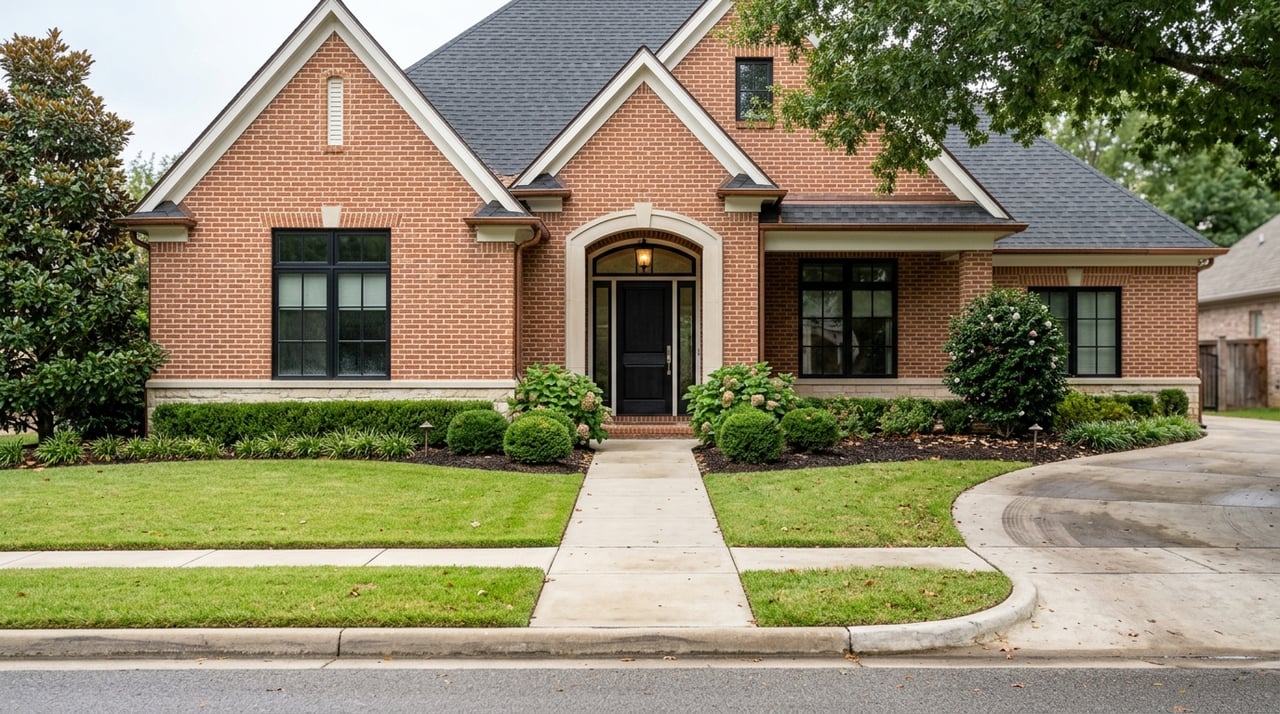
Exterior replacements like garage doors, entry doors, some siding upgrades, and stone accents frequently rank among the best for percent recoup at resale. Review the top performers in the latest Cost vs. Value report.
What you could recoup
Cost vs. Value’s 2025 national benchmarks show helpful patterns for planning:
- Minor kitchen (midrange): about $28.5k cost, ~113% recoup on average.
- Major kitchen (midrange): about $82.8k cost, ~51% recoup on average.
- Bathroom (midrange): about $26.1k cost, ~80% recoup on average.
- Primary suite addition (midrange): about $170.5k cost, ~32% recoup on average.
These are averages, not guarantees. In Cotswold, you can outperform if your finish choices align with local buyer expectations and you do not overbuild for the block. Use comps to validate whether a larger scope, like a major kitchen or a primary suite addition, actually moves your home into a higher, supported price tier.
Permits and timelines in Mecklenburg
When you need permits
In Mecklenburg County and the City of Charlotte, permits are typically required for structural work, additions, and new mechanical, electrical, or plumbing systems. Many projects also require separate trade permits. You can apply, track, and schedule inspections through the County’s WebPermit/Accela portal. The County’s fee ordinance outlines plan review, inspection trip fees, and owner‑as‑contractor rules; you can review the current structure in the LUESA fee schedule.
Plan review and inspections
Plan review times vary by scope and season. For residential projects that require review, a planning window of about 10 to 15 business days is a reasonable early estimate, though complex scopes or revisions can add time. For practical scheduling context, see this Charlotte renovation timeline overview. Expect multiple inspections and budget for possible per‑trip fees if you exceed allocated counts as described in the County’s fee schedule.
Smart prioritization for ROI
- Fix the fundamentals first. Address roofing, HVAC, water heaters, and electrical safety items before design upgrades. Buyers discount homes with deferred maintenance.
- Target high‑impact, moderate‑cost upgrades next. A clean kitchen refresh, midrange bath updates, new paint, refinished floors, and select exterior replacements punch above their weight. The Cost vs. Value report highlights these as frequent top performers.
- Improve curb appeal and outdoor living where local comps show value. Simple, tidy landscaping and usable patio or deck space can help, but verify with comps.
- Consider additions only when comps support them. A primary suite addition can transform daily living, but recoup percentages are lower on average. Make sure the new square footage is supported by nearby sales.
Budget, contingency, and finance
Add a cushion and carry
Set a clear scope, get three written bids with line items, and add a 10 to 20 percent contingency. Many renovation loans and lenders require a reserve, and that cushion protects you from hidden conditions. Do not forget carrying costs during construction, including mortgage, taxes, insurance, utilities, and any HOA fees.
Renovation loan options
If you are buying a fixer or rolling updates into a refinance, two common options are worth discussing with your lender:
- FHA 203(k): Combines purchase or refinance with renovation financing, with HUD oversight and staged draws. Learn more from HUD’s 203(k) program page.
- Fannie Mae HomeStyle Renovation: Conventional financing that allows renovation costs to be included with lender‑managed draws and required reserves. See a program overview reference here and confirm current terms with your lender.
Example: test a kitchen refresh
- Pull 3 to 5 recent Cotswold sales that match your home’s lot size, square footage, and style.
- Compare sold prices of homes with a clean, updated kitchen to those without.
- If a local bid for a $25,000 to $35,000 refresh moves your expected sale price by more than project cost plus carrying and selling costs, it is a defensible investment. The Cost vs. Value patterns suggest minor kitchens often outperform major scopes for near‑term resale.
How a local advisor helps
A strong advisor brings both market proof and construction fluency. You get a tight CMA to set your value ceiling, help aligning finishes to local buyer expectations, introductions to reliable contractors, and oversight through permits, inspections, and critical path scheduling. That combination protects your time and your outcome.
If you are weighing a renovation in Cotswold, let’s build a plan that fits your goals and the market. Connect with Ready 4 Sale, LLC to schedule a consultation.
FAQs
What are realistic kitchen remodel costs in Charlotte?
- Minor cosmetic updates can start around the mid‑$20k level, while full major kitchens commonly run $80k+; use local planning ranges from HomeGuide’s kitchen cost overview and benchmark against Cost vs. Value.
Do I need a permit for a bathroom remodel in Mecklenburg County?
- If you move walls, change structural elements, or update plumbing, electrical, or mechanical systems, expect permits and separate trade permits; start at the County’s WebPermit/Accela portal.
How long does residential plan review take in Charlotte?
- Many residential projects that need review can take about 10 to 15 business days, with more time for complex scopes or revisions; plan ahead and check current timing while reviewing the County’s fee schedule and this timeline guide.
Which Cotswold renovations recoup best at resale?
- Minor kitchen updates and select exterior replacements, like garage and entry doors, often rank high for percent recoup; review current data in the Cost vs. Value report.
What renovation financing options should I consider in Charlotte?
- Two common paths are FHA 203(k) for purchase or refinance with repairs, described on HUD’s 203(k) page, and conventional HomeStyle Renovation, outlined in this program reference.