Ask three different sources what a home in Foxcroft is worth this year and you will get three different answers, and none of them will be lying to you.
One tracker will tell you the median sale price fell 52 percent over the past year, a number that sounds like a neighborhood in trouble. Another will tell you the median barely moved, down a single percentage point. A third will show a median north of $2.5 million with no mention of a decline at all. If you are comparing Foxcroft against Myers Park, Eastover, or SouthPark before deciding where to put an offer, this is the moment where most buyers either panic or shrug and use whichever number confirms what they already wanted to believe. Both reactions skip the actual question, which is why the numbers disagree in the first place.
The short answer: Foxcroft is not one housing market. It is three, stacked inside a single neighborhood boundary, and the "median" you see quoted depends entirely on which of the three happened to trade during the window that tracker measured.
What the same neighborhood name is hiding
Foxcroft sits in South Charlotte between SouthPark and Eastover, and it has carried that single name since the neighborhood took shape after World War II. But the housing stock inside that boundary spans homes built as early as 1903 and as recently as this year, on lots ranging from under a fifth of an acre to nearly one and a half acres. That range is not a rounding error. It is three distinct products being sold under one address.
Condos and townhomes. These run from the low $300,000s for condos to $1.5 million and up for larger townhomes, and they trade closer to SouthPark's retail core. A new project called GreenTree Manor, a six-unit boutique community of luxury end-unit townhomes sited between Cotswold and Foxcroft, is representative of this tier: smaller footprints, lock-and-leave convenience, premium finishes, and a price point that has nothing to do with the estate homes half a mile away.
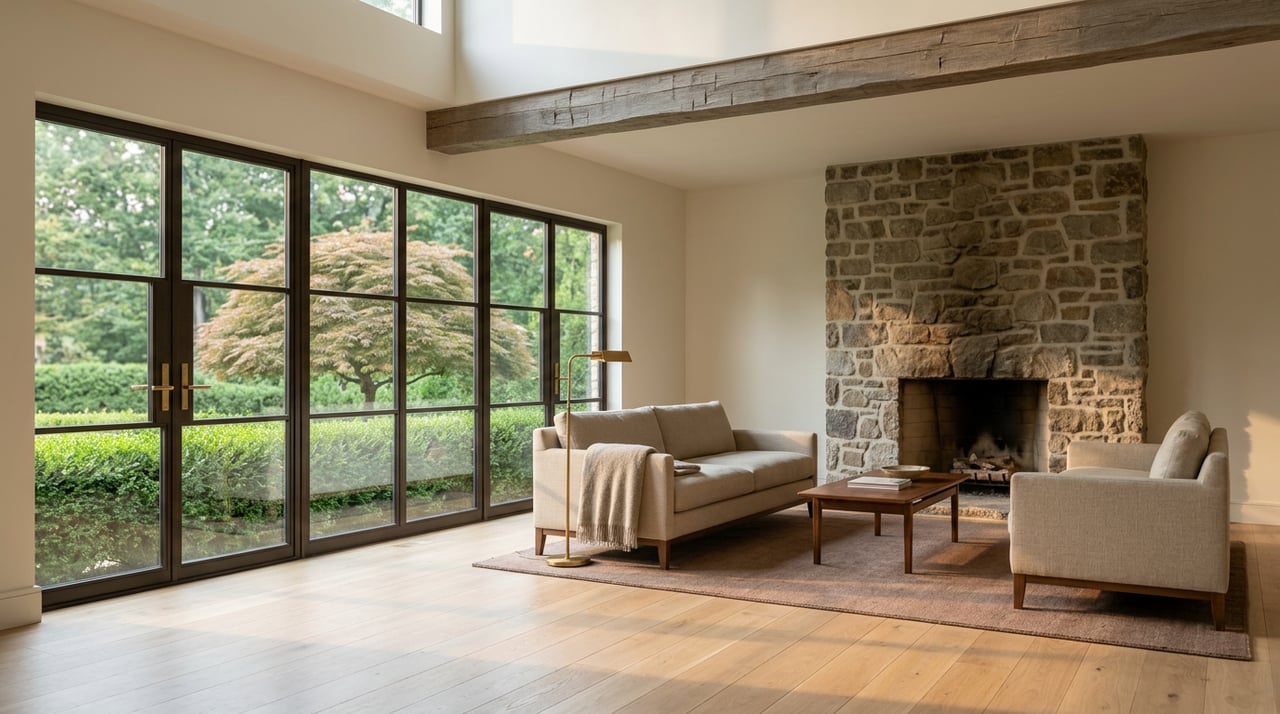
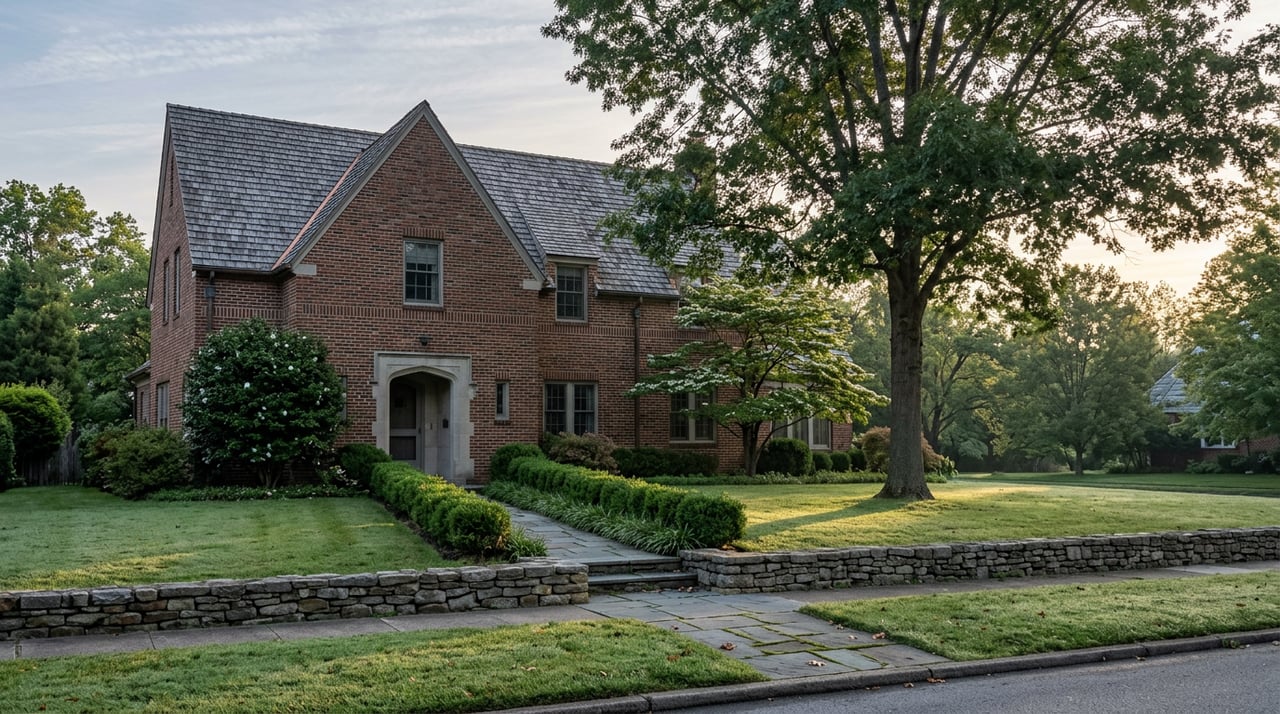
Mid-century Foxcroft East. This pocket dates mostly to the 1960s through 1980s, with homes typically running 2,000 to 4,000 square feet. Many have been updated with open-concept kitchens and refreshed bathrooms while keeping their original footprint and curb appeal. This is the segment where a buyer can still find real value relative to the neighborhood's reputation, because the base structure hasn't been rebuilt even if the finishes have.
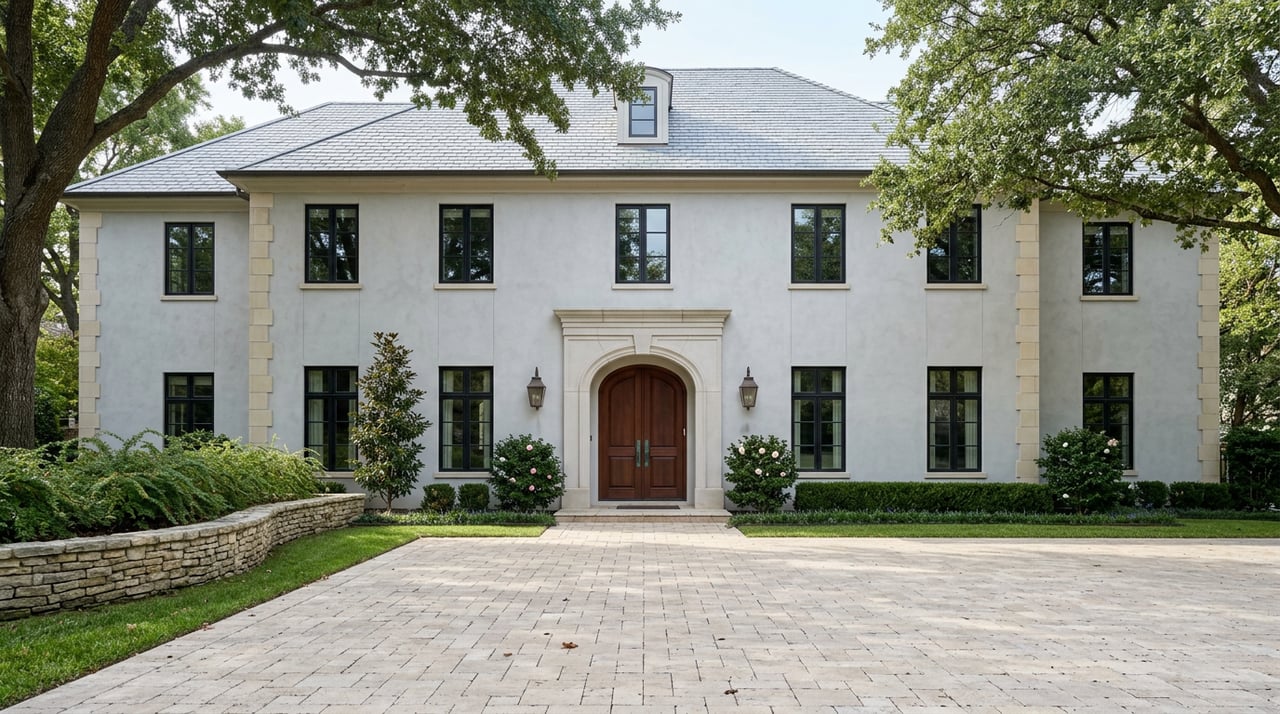
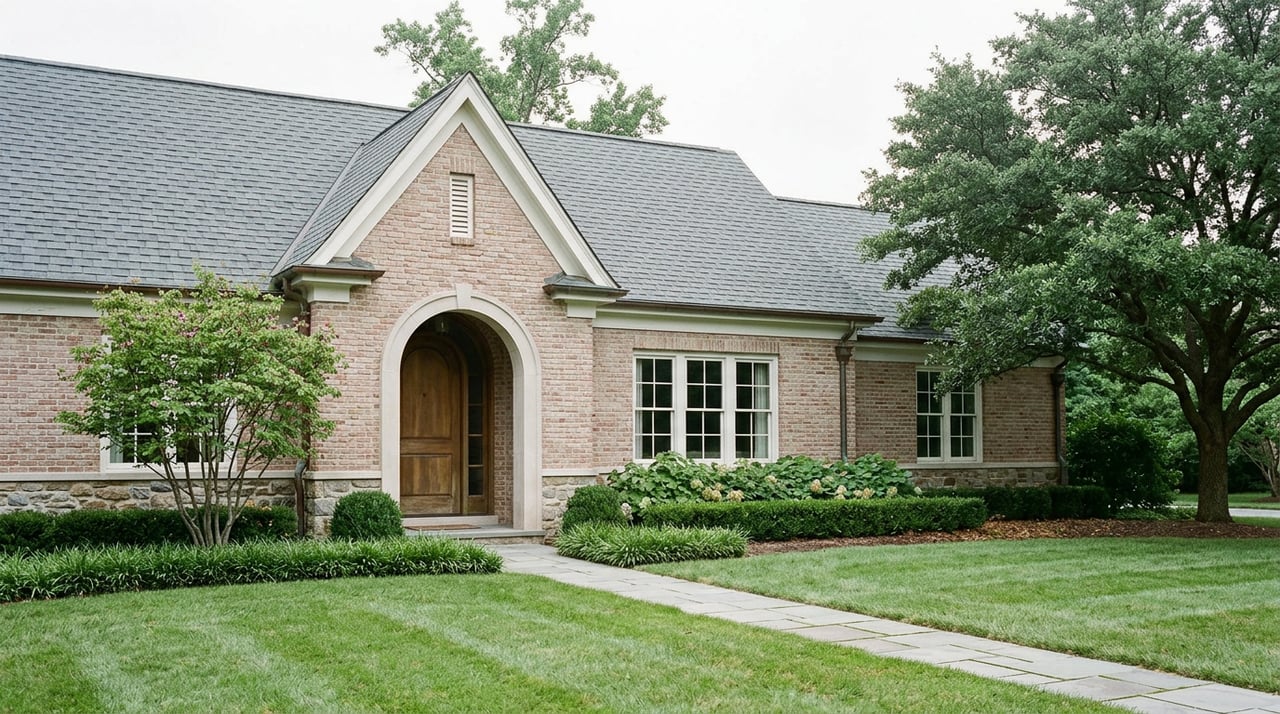
Old Foxcroft and the new-construction enclaves. Subdivision-level sales records show homes in the platted Old Foxcroft section trading between $2.25 million and $4.63 million over the past year, with a median of just three days on market. That is a different neighborhood in every way that matters to pricing from the mid-century ranches a few streets over, even though both mail to the same Foxcroft address. New micro-developments are reinforcing this tier further. The Courts of Prince Charles, an enclave of 10 new full-brick homes under construction with completion expected by the end of 2026, sits squarely in this bracket.
Three products. One neighborhood name. When a tracker reports "the Foxcroft median," it is really reporting whatever mix of these three happened to close escrow that quarter, which is exactly why the number moves so violently from one reporting period to the next.
Why a 52 percent swing can happen without a market crashing
Here is where the sample size problem shows up. One widely used tracker reported that Foxcroft home prices fell 52 percent over the three months ending May 2026, down to a median sale price of $947,000. That same window saw only 17 homes sell, down from 23 the year before. A different tracker, using a rolling 12-month window, put the median at $1,645,000, down just 1 percent year over year. A third source, reporting December 2025 list prices rather than closed sales, showed a median of $1.95 million.
None of these numbers is wrong. They are measuring different things.
With only 17 transactions in a quarter, it takes very few sales to swing a median hard in either direction. If four condo closings land in the same three-month window as two estate-home sales, the blended median will look nothing like the neighborhood's typical price, because there is no "typical" transaction when the underlying product varies this much. The same tracker also noted median price per square foot fell 13.6 percent over the same period while days on market stretched from 27 to 44, a pattern more consistent with a temporary shift toward smaller or older inventory clearing the market than with any actual erosion in what estate-lot buyers are paying for renovated or newly built homes.
The rolling 12-month figure smooths this out because it captures a full year of mix rather than a single quarter's coincidence. The December list-price figure is measuring something else entirely: what sellers are asking, not what buyers are paying. Three legitimate numbers, three different questions answered.
What actually moves the price of a specific Foxcroft home
If the neighborhood median is this unreliable, the practical question becomes what does predict price inside Foxcroft. Four things, in order of how much they matter:
- Which subdivision, specifically. Old Foxcroft, the original Foxcroft platted section, The Enclave at Foxcroft, and Foxcroft East each carry different baseline expectations before a single upgrade is factored in.
- Lot size. With single-family lots ranging from 0.18 to 1.57 acres and a median around 0.65 acres, a buyer comparing two "Foxcroft" listings could be looking at more than double the land on one versus the other.
- Renovation depth, not renovation existence. A cosmetic refresh and a studs-out rebuild both get called "renovated" in a listing description, but they do not command the same price. One recently sold Foxcroft home, featured in a regional home design publication after a full renovation by Alair Homes, priced closer to new construction than to a lightly updated original. That gap is the entire reason a construction background matters when evaluating what a renovation actually adds versus what it merely claims.
- Builder and architect pedigree on new construction. Names like Chiott Custom Homes, Salins Group, Grande Custom Builders, and The Howey Company appear repeatedly across the neighborhood's higher-priced new builds, and architecturally distinct homes designed by figures like Milton Grenfell on the historic side or Smith Slovik on newer construction tend to hold a premium tied to design credibility rather than square footage alone.
A buyer using the blended neighborhood median to negotiate on a specific Foxcroft listing is negotiating with the wrong number. The right comparison is the same subdivision, similar lot size, and comparable renovation depth, which usually means pulling three or four true comparables rather than trusting a headline stat.
What this means if Foxcroft is one of several neighborhoods on your list
For a buyer weighing Foxcroft against Myers Park, Eastover, or SouthPark, the practical takeaway is not "Foxcroft is cheaper" or "Foxcroft is more expensive." It's that the question itself needs to be more specific. Compared against Myers Park's more architecturally uniform streetscape, or Eastover's tighter historic footprint, Foxcroft's range is genuinely wider, from a $300,000-range condo walkable to SouthPark's retail corridor and its own Foxcroft Hills swim and racquet club, to a multimillion-dollar estate on a private acre-plus lot in Old Foxcroft. Both are accurately described as "Foxcroft." Neither tells you what the other costs.
Day-to-day, this variety also shapes what living there actually feels like. Residents nearer the SouthPark edge are minutes from dining options like Barrington's, Reid's Fine Foods, and Southern Pecan, while the deeper residential streets of Old Foxcroft trade that walkability for privacy and lot size. If you are choosing based on lifestyle fit as much as price, that tradeoff matters more than any single median.
FAQ
Why do different real estate sites disagree so much on Foxcroft's median price? They are measuring different windows and different data types. A three-month window with a small sample can swing hard based on which two or three homes happened to close, while a rolling 12-month figure smooths out that noise. Some sites report closed sale prices; others report current asking prices, which is a different question entirely.
Is Foxcroft actually more affordable than Myers Park or Eastover? It depends which part of Foxcroft you mean. The condo and townhome tier near SouthPark can undercut both neighborhoods significantly. The Old Foxcroft estate tier competes directly with Myers Park and Eastover on price per acre. Averaging across all three erases the comparison that actually matters to a specific buyer.
How should I evaluate a specific Foxcroft listing instead of relying on the neighborhood average? Match it against sales in the same subdivision, on a similar lot size, with a comparable renovation depth or build year. A studs-out renovation by a known local builder and a cosmetic refresh will list at similar square footage and sell at very different prices, and the neighborhood median will not tell you which one you're looking at.
If you're weighing Foxcroft against another South Charlotte neighborhood and want someone to pull the actual comparables, not the blended average, Matthew Alexander can walk through what a specific lot, renovation, or new-build listing is really worth before you make an offer. Schedule a consultation to get a read on the numbers that apply to your search, not the ones averaged across a neighborhood that never behaved like one market to begin with.